
AmCham said many respondents said they understood the need for the law, which comes in the wake of six months of often violent anti-government unrest last year. But some expressed fears that it could lead to “potential harassment and privacy concerns,” or that more restrictive measures could be on the way.
“I am also worried the tax structure and changes to the [Hong Kong] tax system may occur,” wrote one respondent.
More than half the firms surveyed also said they were concerned about the law’s ambiguity and the erosion of Hong Kong’s autonomy. The former British colony became a semi-autonomous region of China more than 20 years ago, and has largely been left to manage its own affairs since then.
The potential that the law could lead to a loss of talent in the city or jeopardize its status as an international business center were also cited as top concerns. American companies also fear that an escalation in US-China relations could hamper cross-border deals.
Even so, 70% of respondents said they had no plans to move their business out of Hong Kong. Most also said they would personally not consider leaving.
“Not yet, but certainly putting ‘insurance’ plans in place and alternative jurisdictions,” wrote one respondent.
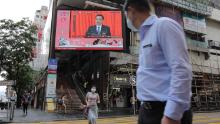
But experts have pointed out that Trump stopped short of taking immediate action. And they suspect ending the special status won’t have a big impact immediately because the territory does not export a lot of goods to the United States.
More than 70% of the respondents to AmCham’s survey said they are taking a “wait and see” approach to Trump’s reaction.
“It is far too early to make strategic decisions on the revocation of special trade status,” wrote one respondent, who added that it would take many months to implement. Others said that they would consider setting up entities in other parts of the region, including in Singapore.
Some 15% of survey respondents said that they were still optimistic about business prospects in Hong Kong, with one calling it an “unparalleled location in Asia Pacific.” But nearly half of the respondents said they were pessimistic about business prospects in Hong Kong in the medium-to-long term.
One respondent wrote that they were “fearful that the luster will be lost forever.”
“Being a major city in the second biggest economy is not a minor role but far less than a leading global city,” the respondent wrote.



More Stories
Innovate to Insure: Creative Ways to Maximize Your Insurance Coverage
Unlocking Peace of Mind: Creative Insurance Plans Tailored Just for You
Innovate Your Security: Unconventional Insurance Plans You Never Knew You Needed