
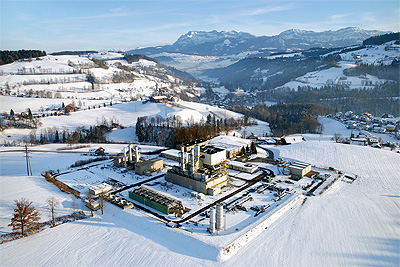
Natural gas plays a pivotal role in Europe’s energy mix, and Belgium stands out as an important hub within the continent’s broader trading network. With its strategic location, extensive infrastructure, and direct connections to neighbouring markets, Belgium offers unique opportunities for traders seeking to exploit supply-demand imbalances in the natural gas sector.
However, these opportunities are accompanied by complexities such as regulatory considerations, price volatility, and geopolitical pressures that influence trading strategies.
Belgium’s Strategic Position in European Gas Markets
Belgium is not the largest consumer of natural gas in Europe, but its role as a transit country is significant. Home to the Zeebrugge LNG terminal and the Fluxys pipeline network, Belgium connects major supply sources with consumers across Western and Central Europe. This infrastructure allows gas to flow flexibly across borders, making Belgium an essential trading hub.
For traders, this means that Belgium often serves as both a barometer and a crossroads for supply and demand pressures in the region. When supply disruptions occur in one market—such as strikes in France, reduced LNG imports into the UK, or changes in German industrial demand—Belgium’s network can reflect and transmit these shocks quickly. Traders positioned in Belgium’s market can therefore act on opportunities before they ripple out across the continent.
Drivers of Supply-Demand Imbalances
To understand trading opportunities, it’s essential to grasp what causes imbalances in the natural gas market. In Belgium, three primary factors stand out:
Seasonal Fluctuations
Natural gas demand is highly seasonal, with sharp increases during the winter months when heating needs peak. Belgium’s relatively mild climate means consumption is not as extreme as in Northern Europe, but swings in demand still create noticeable price volatility. A cold winter across Europe can strain supplies, especially if LNG shipments are diverted to Asia, where prices are higher.
Infrastructure and Logistics
Belgium’s pipelines and LNG terminal capacity can occasionally create bottlenecks. For example, if regasification capacity at Zeebrugge is fully booked while demand is surging, traders who secured early access can benefit from tightness in supply. Similarly, maintenance work or unexpected outages can temporarily shift supply-demand balances, offering arbitrage opportunities.
Geopolitical and Market Shocks
Events such as conflicts affecting Russian gas flows, EU sanctions, or global LNG price spikes feed directly into Belgian trading markets. Because Belgium is so interconnected with its neighbours, geopolitical disruptions often amplify opportunities for those monitoring the landscape closely.
Trading Opportunities in a Connected Market
For traders, the challenge is turning these imbalances into actionable strategies. Some of the most common methods include:
Arbitrage Across Borders
Belgium’s interconnections with France, Germany, and the Netherlands allow traders to exploit price differentials. If gas prices are higher in France due to nuclear plant outages, for instance, Belgian traders can profit by buying locally and selling across the border, provided transport capacity is available.
Leveraging LNG Imports
The Zeebrugge terminal is a gateway for LNG entering Europe. Traders who anticipate LNG cargo arrivals—or diversions to more lucrative Asian markets—can position themselves accordingly. Knowledge of global shipping schedules and freight costs becomes invaluable in this context.
Seasonal Spreads
Many traders use seasonal spreads to hedge or speculate. For example, purchasing gas in the summer when demand is lower and selling futures contracts for winter delivery can capture the typical seasonal price rise. In Belgium, this strategy often aligns with broader European consumption cycles.
Tools and Knowledge for Success
Natural gas trading is not just about spotting opportunities; it also requires tools, data, and strong risk management. Price volatility can be substantial, and sudden shifts in policy or infrastructure can erase potential gains.
To build expertise, traders should familiarize themselves with Belgian gas market benchmarks such as Zeebrugge Day-Ahead and Title Transfer Facility (TTF) prices. These indices are widely referenced across Europe and provide valuable signals for cross-border arbitrage.
Additionally, staying informed about LNG flows, pipeline maintenance schedules, and EU energy policy decisions can make the difference between seizing a profitable trade and missing it. For a deeper dive into strategies and market mechanics, you can visit this link for a comprehensive guide on trading natural gas.
Risk Considerations in Belgian Gas Trading
While opportunities abound, natural gas trading also carries significant risks. These include:
- Price Volatility: Geopolitical events or unexpected cold snaps can trigger sharp swings in prices, challenging even the most experienced traders.
- Regulatory Risks: EU and Belgian authorities frequently adjust rules around emissions, energy security, and trading practices. Compliance is crucial.
- Liquidity Issues: At times, liquidity in certain contracts or pipeline capacities may be limited, making it harder to execute large trades without moving the market.
- Currency Fluctuations: Because natural gas is often priced in euros but linked to global LNG markets priced in dollars, currency swings can add another layer of complexity.
Risk management strategies—such as stop-loss orders, diversified positions, and the use of derivatives—are essential for navigating this landscape effectively.
Conclusion
Natural gas trading in Belgium is both complex and rewarding. The country’s position as a central hub, combined with seasonal demand patterns, LNG flows, and cross-border connections, creates a dynamic market where imbalances can be profitably exploited. Traders who understand these dynamics, stay informed about geopolitical developments, and apply disciplined risk management stand to benefit the most.
In an environment where energy markets are increasingly interconnected and volatile, Belgium offers a front-row seat to some of Europe’s most important natural gas flows. With the right knowledge and strategies, natural gas trading in this market can open the door to consistent and compelling opportunities.



More Stories
WHAT TO DO AFTER RECEIVING A LARGE FINANCIAL WINDFALL
The Art of Bootstrapping: How Startups Can Thrive Without Investor Money
Unlocking Tomorrow: Bold Startup Ideas That Could Change the Game