
What Does Tariff Mean? Get the Complete Definition in international trade, the term tariff plays a vital role but is often misunderstood. Whether you’re an entrepreneur, a student of economics, or just a consumer, understanding what a tariff means is essential. This article explores the Definition of Tariff, breaks down its types, and explains why it’s a crucial part of global trade.
What Is a Tariff?
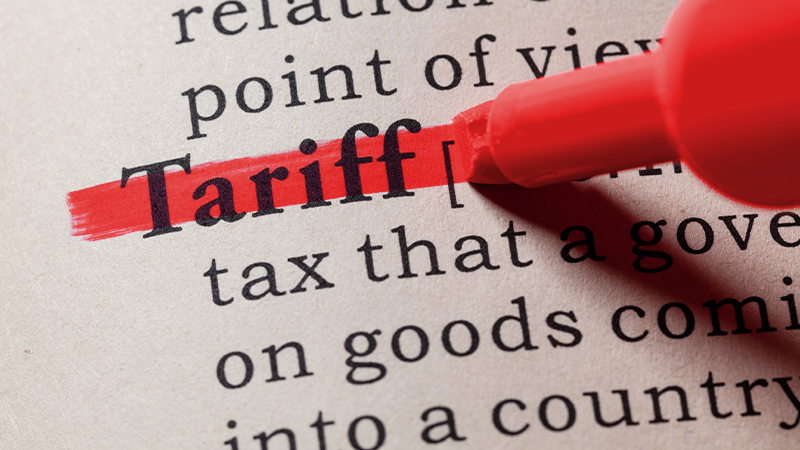
At its core, a tariff is a tax imposed by one country on goods and services imported from another. Governments use tariffs to regulate trade, protect domestic industries, and sometimes as a method of negotiation with other countries. The tariff increases the price of imported goods, making them less competitive compared to locally-produced alternatives.
If you’re buying an imported smartphone in the U.S., for example, a tariff may be added, increasing the phone’s cost. But why would governments use tariffs? The answers lie in protecting local industries, addressing trade imbalances, and exerting political influence.
Types of Tariffs
Understanding the Definition of Tariff requires recognizing the different types of tariffs. These tariffs serve various purposes, each impacting trade in specific ways.
1. Ad Valorem Tariffs
Ad valorem tariffs are calculated as a percentage of the value of an imported good. For example, if a 10% tariff is applied to a $1,000 laptop, the cost of the tariff will be $100. These tariffs are simple to calculate and commonly used around the world.
2. Specific Tariffs
Specific tariffs are fixed amounts imposed on a good, no matter its value. For example, a $200 tariff could be applied to every car imported, regardless of its price. This is typically used for goods that are hard to value accurately.
3. Compound Tariffs
A compound tariff combines both ad valorem and specific tariffs. For example, a 5% ad valorem tariff and a fixed $50 fee might apply to imported smartphones. This type of tariff offers the flexibility of both percentage-based and fixed charges.
4. Anti-Dumping Tariffs
Anti-dumping tariffs are imposed when a country believes that another nation is selling goods at unfairly low prices. These tariffs are meant to stop countries from undercutting local markets by selling goods below production costs.
5. Retaliatory Tariffs
When one country imposes tariffs on another’s goods, the second country may retaliate with tariffs of its own. These tariffs can escalate into trade wars, affecting both economies involved.
Why Do Countries Impose Tariffs?
The Definition of Tariff goes beyond just being a tax on imports; it has strategic purposes. Let’s explore some of the primary reasons why tariffs are used.
1. Protecting Domestic Industries
Tariffs help protect local businesses from foreign competition by making imported goods more expensive. This allows domestic industries to grow without being overwhelmed by cheaper foreign products. For instance, a country might impose tariffs on imported steel to safeguard its domestic steel industry.
2. Encouraging Domestic Employment
By raising the price of imported goods, tariffs encourage consumers to buy locally produced products. This, in turn, helps sustain and create jobs in the local economy, particularly in manufacturing and agriculture.
3. Generating Government Revenue
Tariffs also serve as an important source of revenue for governments. While many countries rely on income taxes, tariffs remain an important form of taxation, especially in developing nations. Governments can use this revenue to fund public services and development programs.
4. Correcting Trade Imbalances
When a country imports more than it exports, it creates a trade imbalance. Tariffs can reduce imports by raising their prices, encouraging consumers to buy domestic products, thus helping balance the trade deficit.
5. Political and Economic Leverage
Tariffs can also be used as a tool in international diplomacy. Countries might impose tariffs to pressure another nation to change its policies or to demonstrate disapproval of certain actions. These tariffs are often used in trade negotiations to get better deals or to resolve disputes.
The Pros and Cons of Tariffs
Advantages of Tariffs
- Protection of Domestic Jobs: Tariffs make imported goods more expensive, encouraging consumers to buy locally and protecting jobs in domestic industries.
- Government Revenue: Countries collect revenue from tariffs, which can be used to fund important public services and infrastructure projects.
- Incentive for Innovation: With less competition from foreign products, local businesses may have more room to innovate and improve their offerings.
Disadvantages of Tariffs
- Increased Costs for Consumers: As tariffs make imported goods more expensive, consumers end up paying higher prices for everyday products.
- Risk of Trade Wars: Countries may retaliate by imposing their own tariffs, leading to an escalating trade war that negatively impacts both economies.
- Inefficiency in Domestic Industries: Protected industries may become less efficient over time without the pressure to compete with foreign companies, leading to a lack of innovation and higher prices.
Tariffs and the Global Economy
The imposition of tariffs can have widespread consequences for the global economy. Trade is increasingly interconnected, and disruptions to global supply chains can increase production costs for businesses around the world. Tariffs can also hinder economic growth by reducing international trade.
Global organizations like the World Trade Organization (WTO) work to reduce the negative impacts of tariffs by encouraging countries to negotiate fair trade agreements. However, tariffs are still a significant aspect of international trade relations.
How Tariffs Impact Consumers
Consumers often feel the effects of tariffs directly. When the price of imported goods rises, it leads to higher prices for products like electronics, clothing, and food. While tariffs may help protect local businesses, they do so at the cost of consumers, who must pay higher prices for the goods they buy.
For example, if a country places tariffs on electronics from a particular country, consumers will see an increase in the cost of products like smartphones, laptops, and TVs. This is a direct impact of the Definition of Tariff in action.
Understanding the Definition of Tariff is more important than ever as global trade continues to evolve. While tariffs can protect local industries and generate government revenue, they also increase costs for consumers and can lead to international trade disputes. As international trade relationships shift, tariffs will remain a key tool for governments, and their impact will continue to shape the global economy.
The role of tariffs in the global market is continually being debated and negotiated. Whether they are used as protective measures, revenue generators, or tools in diplomatic relations, tariffs are likely to remain an important factor in shaping economic policies for years to come.



More Stories
The Joy of Frugal Living: How to Thrive on Less and Build Wealth
Mastering Your Money: A Creative Blueprint for Smarter Financial Planning
The Secret Sauce to Financial Freedom: Cooking Up Wealth One Smart Move at a Time