
[ad_1]
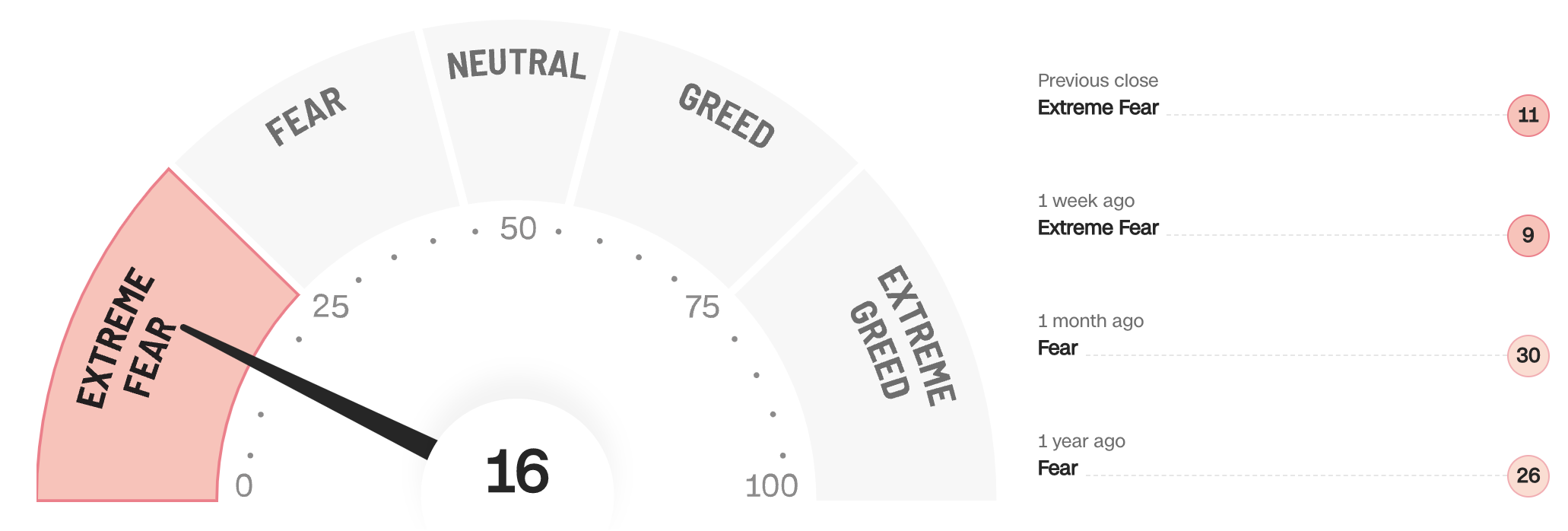
It’s unofficially official: we’re in a recession. How long it lasts and how poor it receives are up for discussion, but we have officially entered the land of lower buyer confidence, skyrocketing fascination rates, lingering logistics challenges across the Pacific, six dollar fuel, and the basic community little by little recognizing that perhaps all that no cost dollars in 2020 was not truly absolutely free.
But now that we’re right here, there are classes to be discovered. History does in fact repeat alone.
Advertising and marketing leaders are heading to respond in a single of three approaches: attempting to “ride it out” and retaining commit, cutting advert devote appreciably (if not fully), or doubling down on plummeting CPM prices and “buying low” on the attention of their focus on audiences. There are dangers and benefits for each and every strategy.
Hunting back again at 2008, 60% of brands went dark and lower their Television set presence totally for six months or extra at the peak of the economic downturn. In accordance to a McKinsey report, advert spend didn’t get well to 2007 degrees till 2011 right after the 2008 economic downturn. In March 2020 when COVID hit, paid out social ad shell out dropped 33% and paid out lookup dropped 30%. The DTC revolution and non permanent stimulus raise fueled a substantially a lot quicker recovery on commit amounts. As it turns out, if you give buyers $1,200 checks from the authorities, they’ll uncover techniques to shell out them.
This time all-around, no these stimulus checks will occur en masse. The $400 checks Californians are about to receive to “help relieve the stress at the pump” will hardly offset gasoline expenses for a thirty day period for most commuters, and in my individual estimation will be employed by most people to spend off credit history card financial debt that has accrued through lifestyles that have not adjusted to accommodate paychecks that don’t go as far as they did just 5 months in the past. As these types of, coupled with ongoing attribution issues, much more marketing leaders are slicing advert budgets, company relationships, and division payrolls in a hybrid solution of using it out and throwing plenty of body weight overboard in an hard work to preserve their boat afloat.
But your mom was proper: “everybody else is undertaking it” is by no means a great purpose to observe go well with.
This solution is fueled by fake self-confidence. Model awareness and loyalty that’s been created for several years does not go away overnight just since an ad funds is scaled again. The draining of a brand’s competitive moat occurs above time, and much like the proverbial frog sitting down in step by step boiling h2o, numerous marketers will fall short to react in time to stay clear of significant very long-phrase setbacks to the manufacturer.
In accordance to McGraw Hill, a review of 600 businesses from 1980 to 1985 exposed that people that taken care of or greater their ad shell out adhering to the 1981 recession outperformed these that did not by 265% about that time time period.
Below Arrive the Challenger Makes.
All this reported, recessions are extraordinary alternatives for challenger brand names that have the fiscal means and courage at the C-stage to meaningful gains in market share. In the 1920s, Kellogg’s elevated ad invest and released new merchandise, major to its dominance about Put up for a long time to arrive. Toyota elevated advertisement spend in the course of the 1973 recession and was the major imported maker by 1976. In 1991, McDonalds (28% decline) opened the doorway for Pizza Hut (61% progress) and Taco Bell (40% progress) to obtain a more robust foothold in rapid food items when it scaled again its advertisement price range.
Irrespective of wherever your manufacturer sits nowadays, you are going to will need a Strategic Spouse to assist you navigate yet an additional “new normal” for advertising and marketing leaders.
Let’s hook up!
[ad_2]
Source link




More Stories
The Secret to Understanding Insurance Policies Better
How to Make Sure Your Insurance Covers Everything You Need
Common Insurance Questions Answered