
The labels will immediately start appearing on the selected outlets’ pages, page transparency section and in the ad library. Starting next week, users in the United States will start to see the label appear on these outlets’ individual posts — labels that will eventually be introduced in other countries.
Nathaniel Gleicher, Facebook’s head of security policy, told CNN Business in an interview on Thursday that the company is taking such an approach so users know more about where their information is coming from.
“The concern for us is state media combines the agenda setting power of a media entity with the strategic backing of a state,” Gleicher said. “If you’re reading coverage of a protest, it’s really important you know who is writing that coverage and what motivation they have. The goal of this is to ensure the public will see and understand who is behind it.”
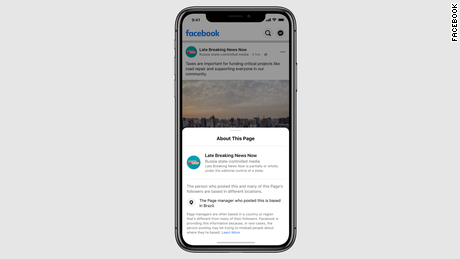
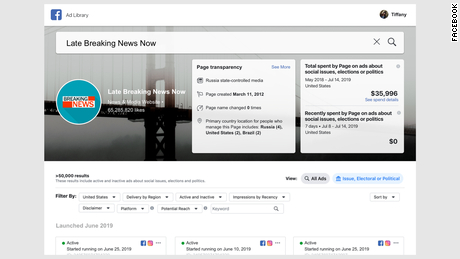
Later this summer, state-controlled media outlets will also be blocked from running advertisements on Facebook in the United States, “out of an abundance of caution” ahead of the US election in November, Gleicher said.
Gleicher said there are no plans to roll out the ad bans elsewhere as state media is the only form of local news in some regions in the world.
Gleicher said Facebook consulted with 65 experts to create its own criteria to define which outlets to label as state-controlled media. These criteria include where the outlet’s funding comes from, editorial transparency, ownership structure and governance, internal accountability mechanisms and third party confirmation of independence. An entity can be state-funded, but deemed independent. Though an initial list of outlets including China’s CCTV and Xinhua, Russia Today and Sputnik will receive the label immediately, Gleicher warned the list is “dynamic” and will change over time. Entities can also appeal their label.



More Stories
The Role of Technology in Today’s Biz News
Latest Biz News You Need to Know
Top Biz News Stories You Shouldn’t Miss